The Story

More than an uncle.

He was a pastor, evangelist, singer, husband, mentor—and, to me, much more than an uncle. He was like a father.

Reverend Russell East

A life that left a song behind.

Russell Nisbet East was born on February 24, 1929, in Ilsley, Kentucky, at the East family home. His middle name came from the last name of the doctor who delivered him. This name became the nickname, "Nibby".

From childhood, music was already part of his life. As a little boy he sang in a quartet on a radio show, standing on a stool so he could reach the microphone.

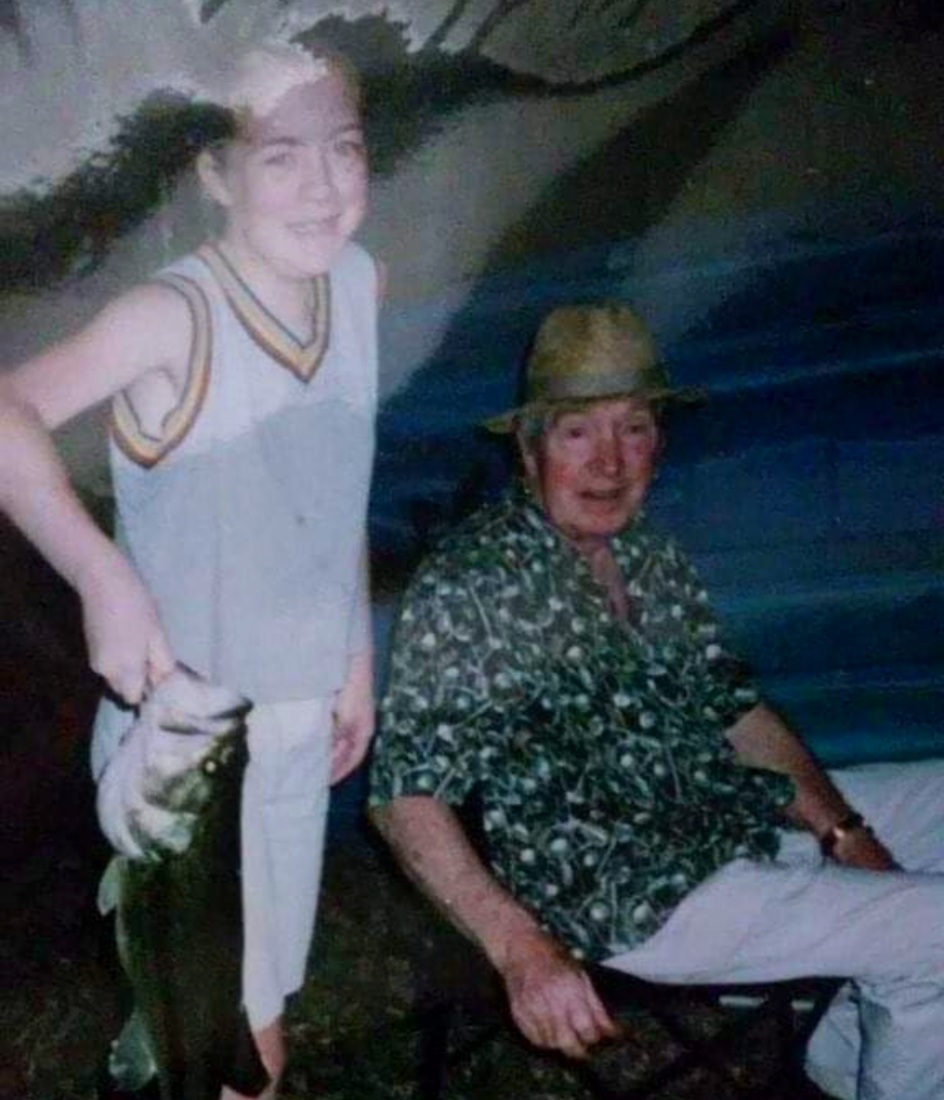
That love of singing stayed with him. But the photographs and stories that remain also show something else: Russell was a son, a brother, a husband, a father figure, a friend, a fisherman, a prankster, and a man who loved people.

The album is part of the story. Russell's life is the story.
The early years

A singer before he was a preacher.

One of Russell's proudest singing memories came in Dawson Springs, Kentucky, where he competed in a singing contest. Pat Boone was one of the other contestants. The winner was decided by audience applause, and Russell received the most applause.

Russell loved telling people that he had beaten Pat Boone in a singing contest. It was one of those stories he never seemed to get tired of telling—and the family never seemed to get tired of hearing it.

That same contest changed another part of Russell's life. A young woman named Dorothy Jane Calvert—Janey—was in the crowd. After hearing Russell sing, she told her friend that she was going to marry that man. She did, in 1953. They were married for 48 years.

Russell & Janey

The girl who heard him sing.

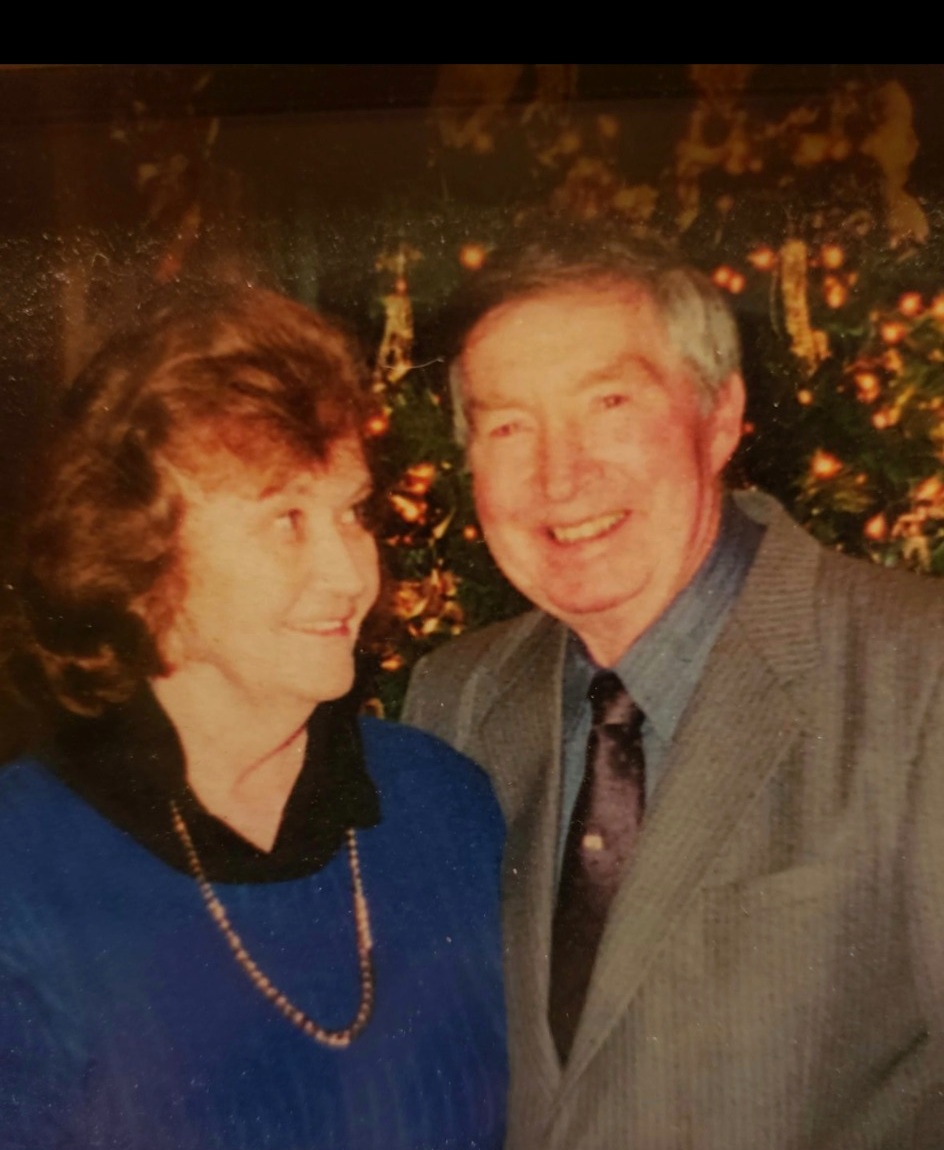
Dorothy Jane Calvert was usually called Janey. She and Russell were married for 48 years.

The photographs that survive show them at very different points in their lives, but the story begins with that singing contest in Dawson Springs. Russell went there to sing. Janey was listening.

Their marriage became part of the foundation underneath everything that followed—family, church, ministry, music, and the stories that would eventually be passed down to another generation.

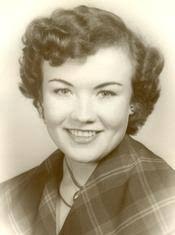
Dorothy Jane Calvert in her younger years
Dorothy Jane “Janey” Calvert
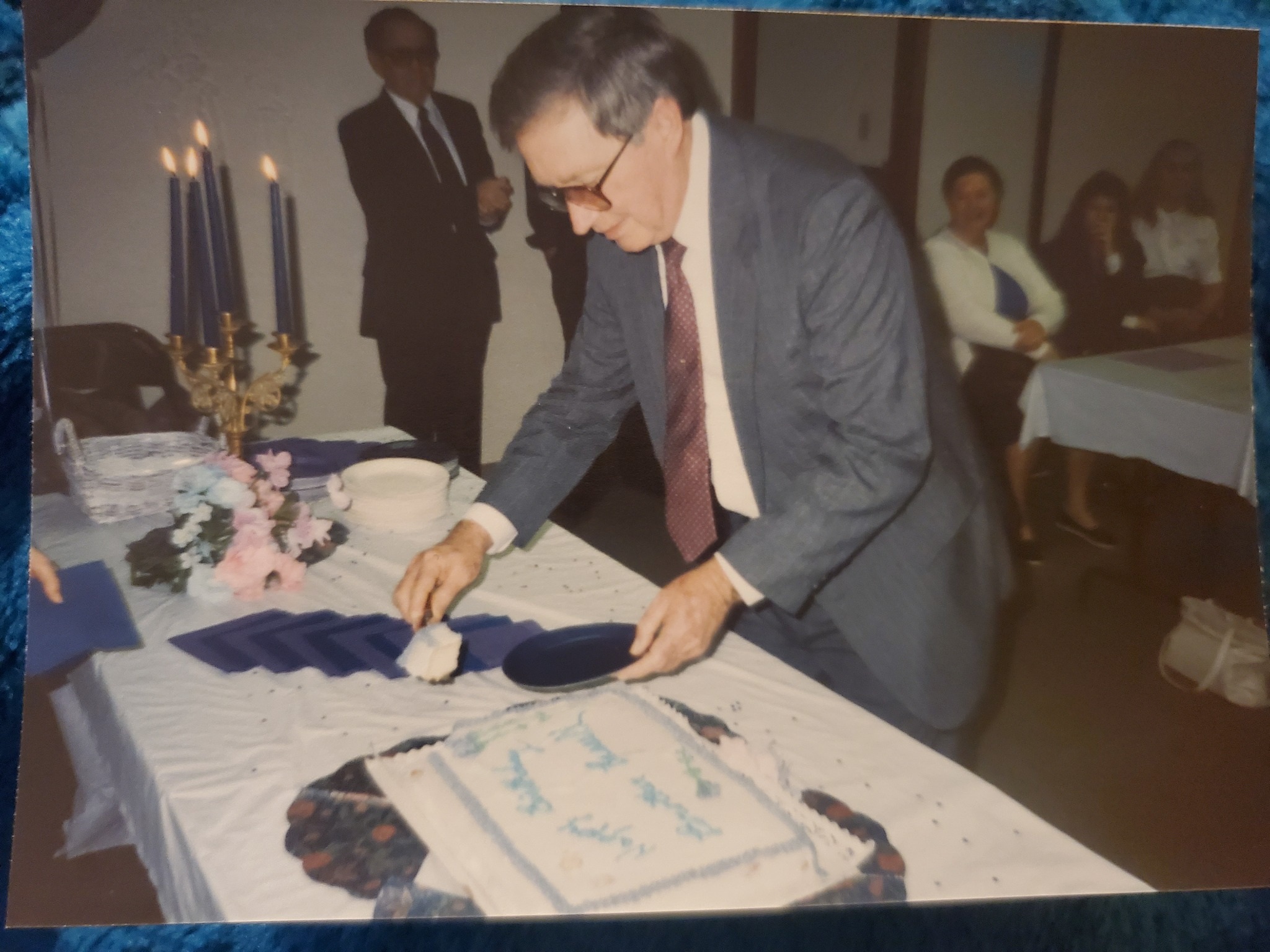
Russell and Dorothy together later in life
Russell and Janey, later in life
Family

The family around Russell.

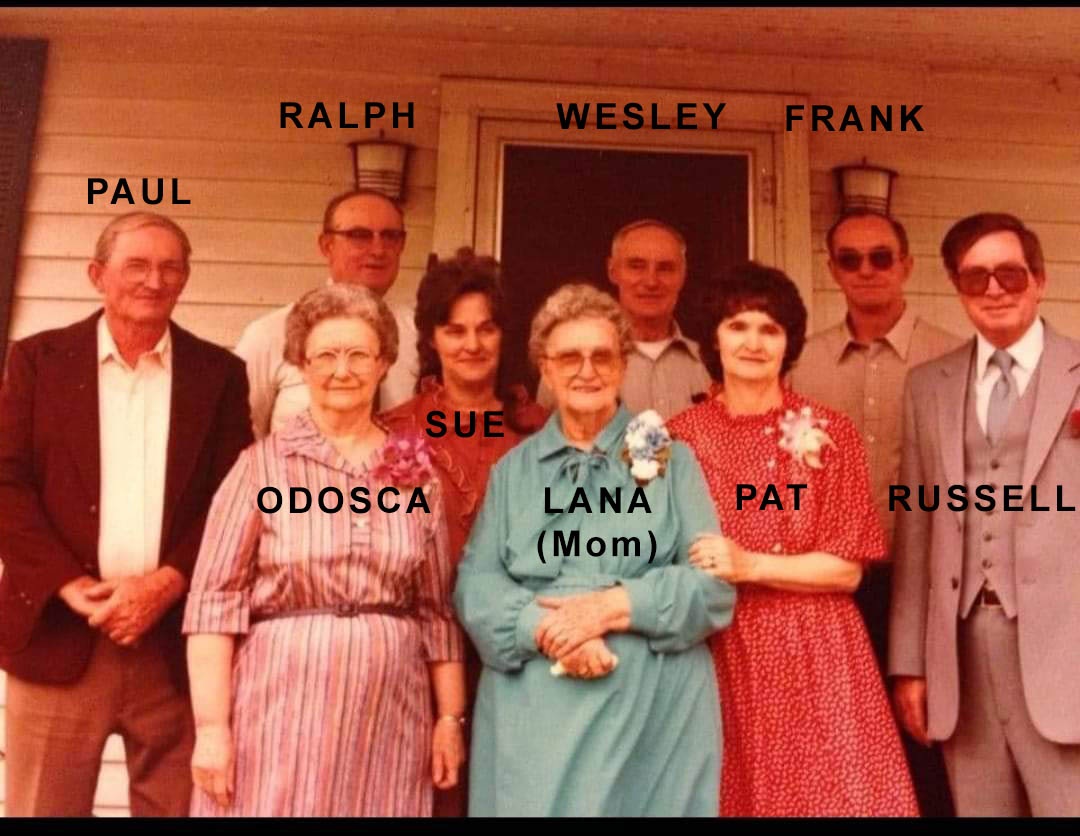
The photographs are part of the record too. This family portrait preserves Russell with his mother, brothers and sisters.

East family portrait with Russell, his mother, brothers and sisters
Russell with his mother, brothers and sisters.
Before the pulpit

The young man behind the later stories.

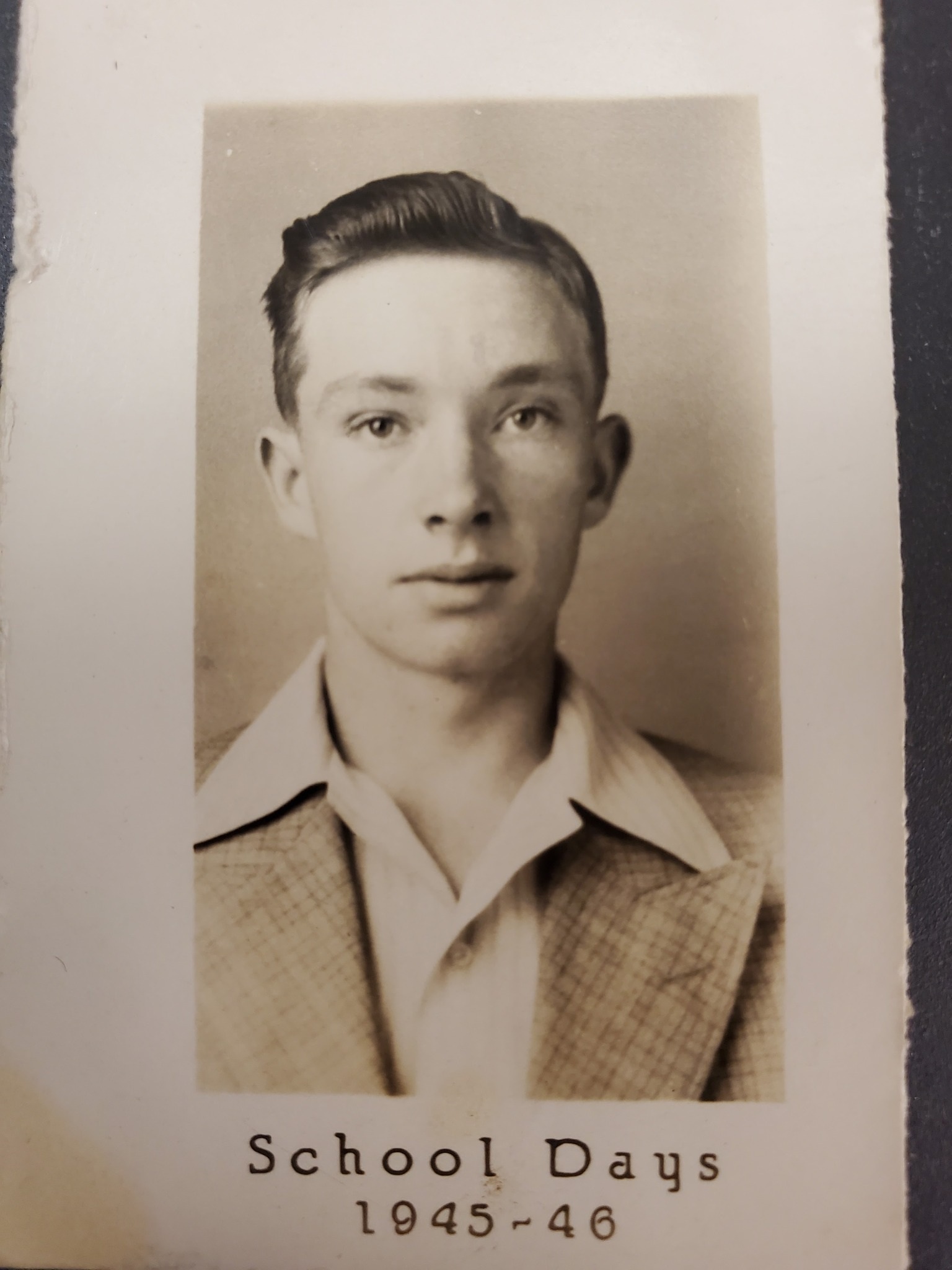
Russell East in his 1945–46 school portrait
School Days · 1945–46
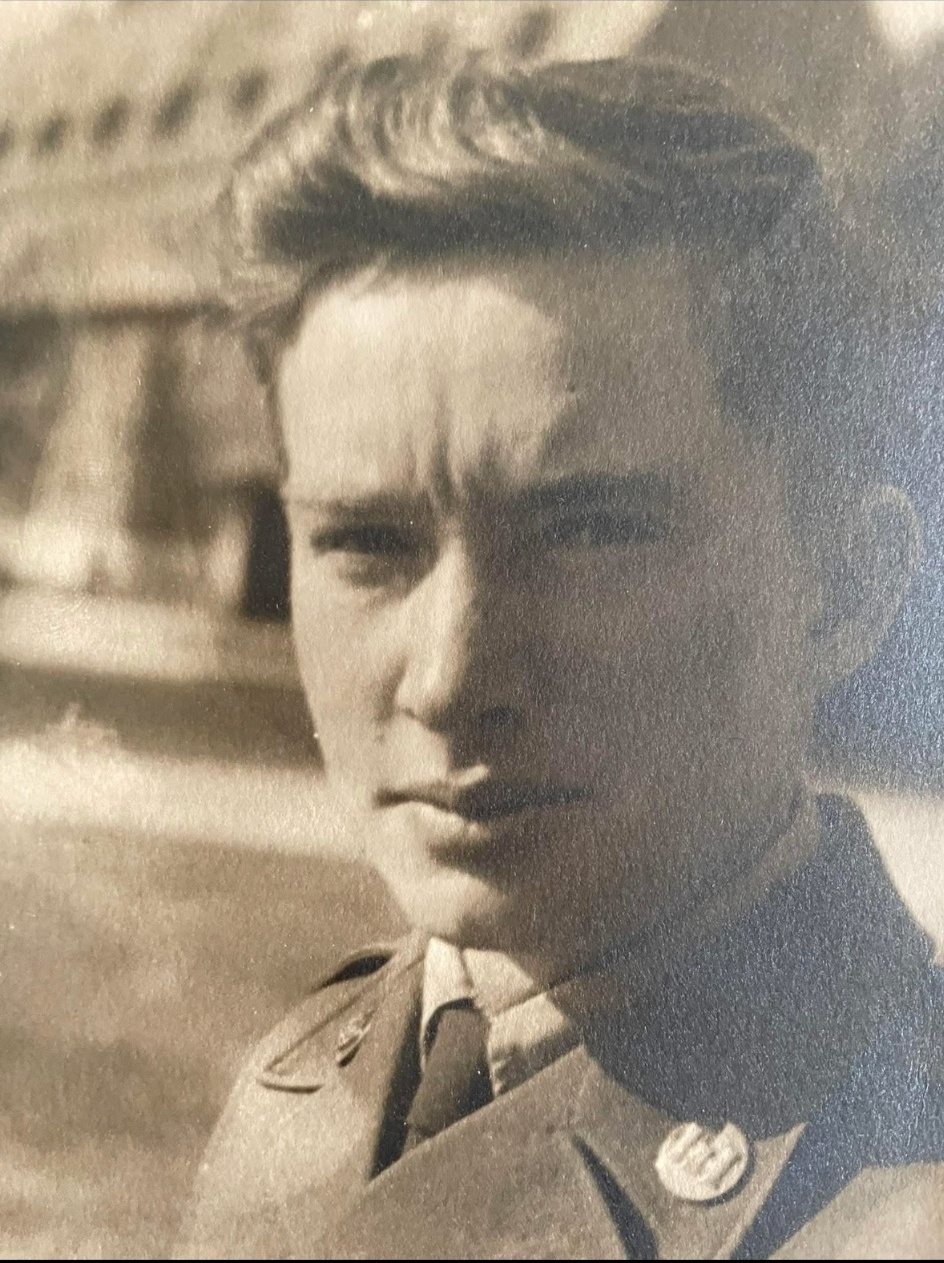
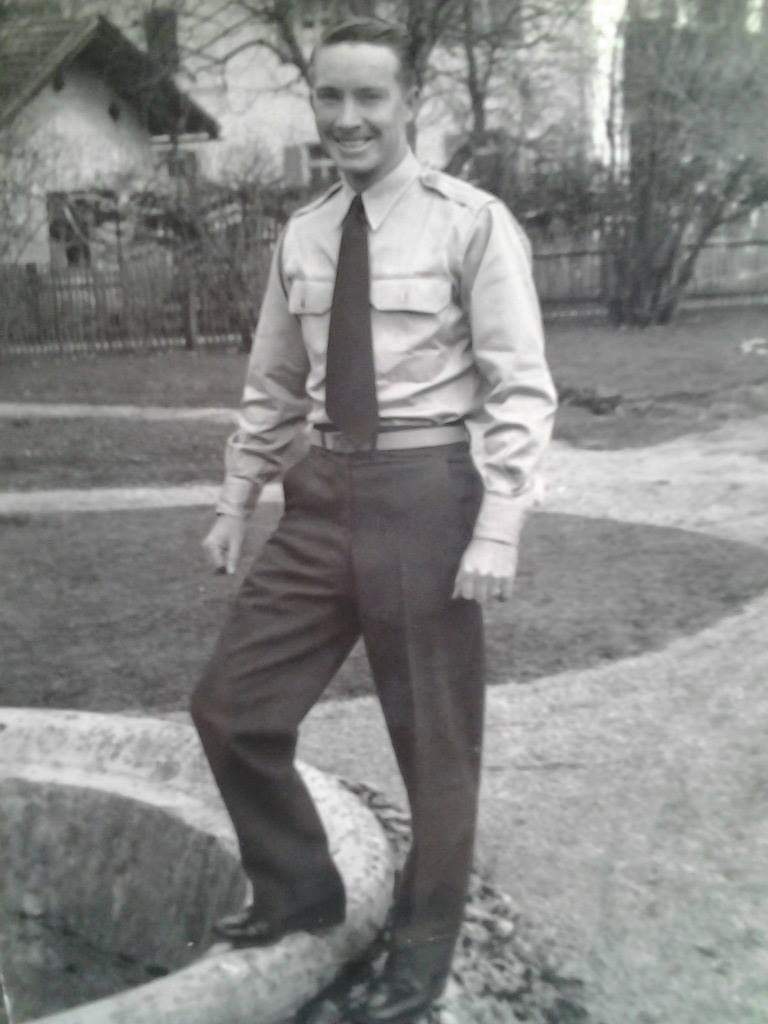
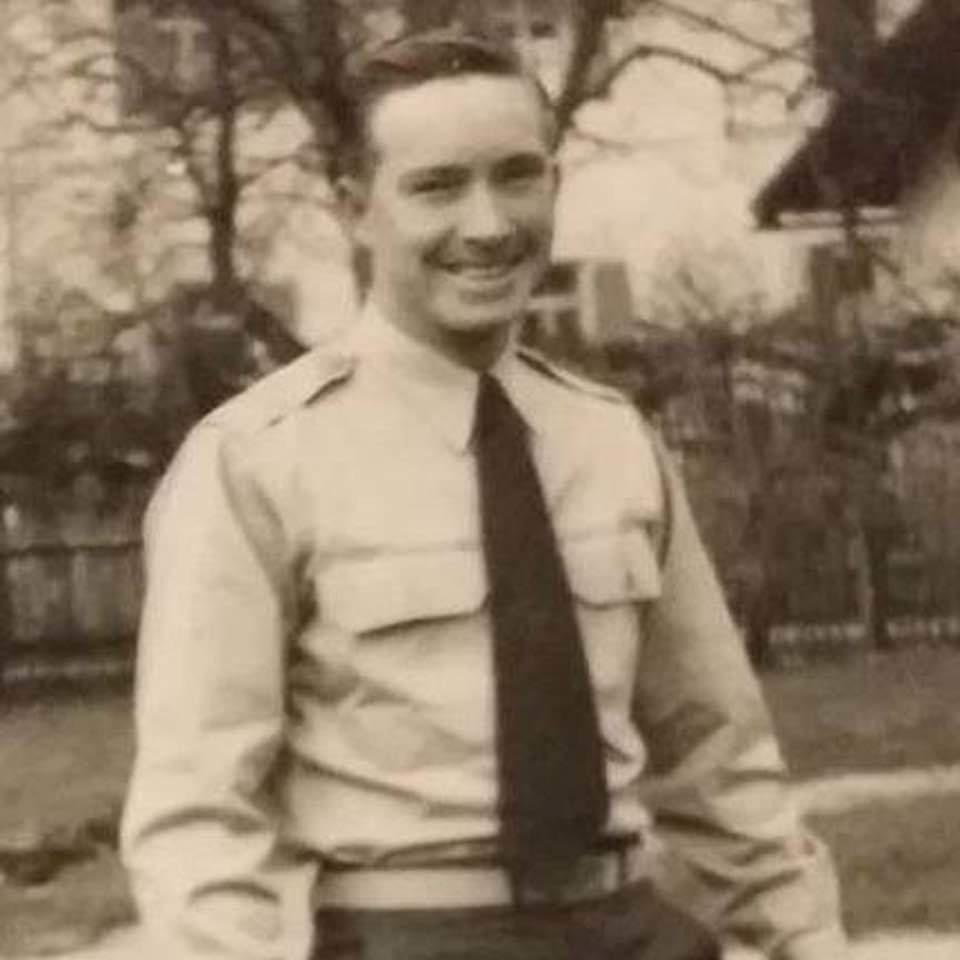
Russell East in uniform in a military portrait
A military portrait
Russell East in military uniform
During his military years
Russell East in military uniform
During his military years
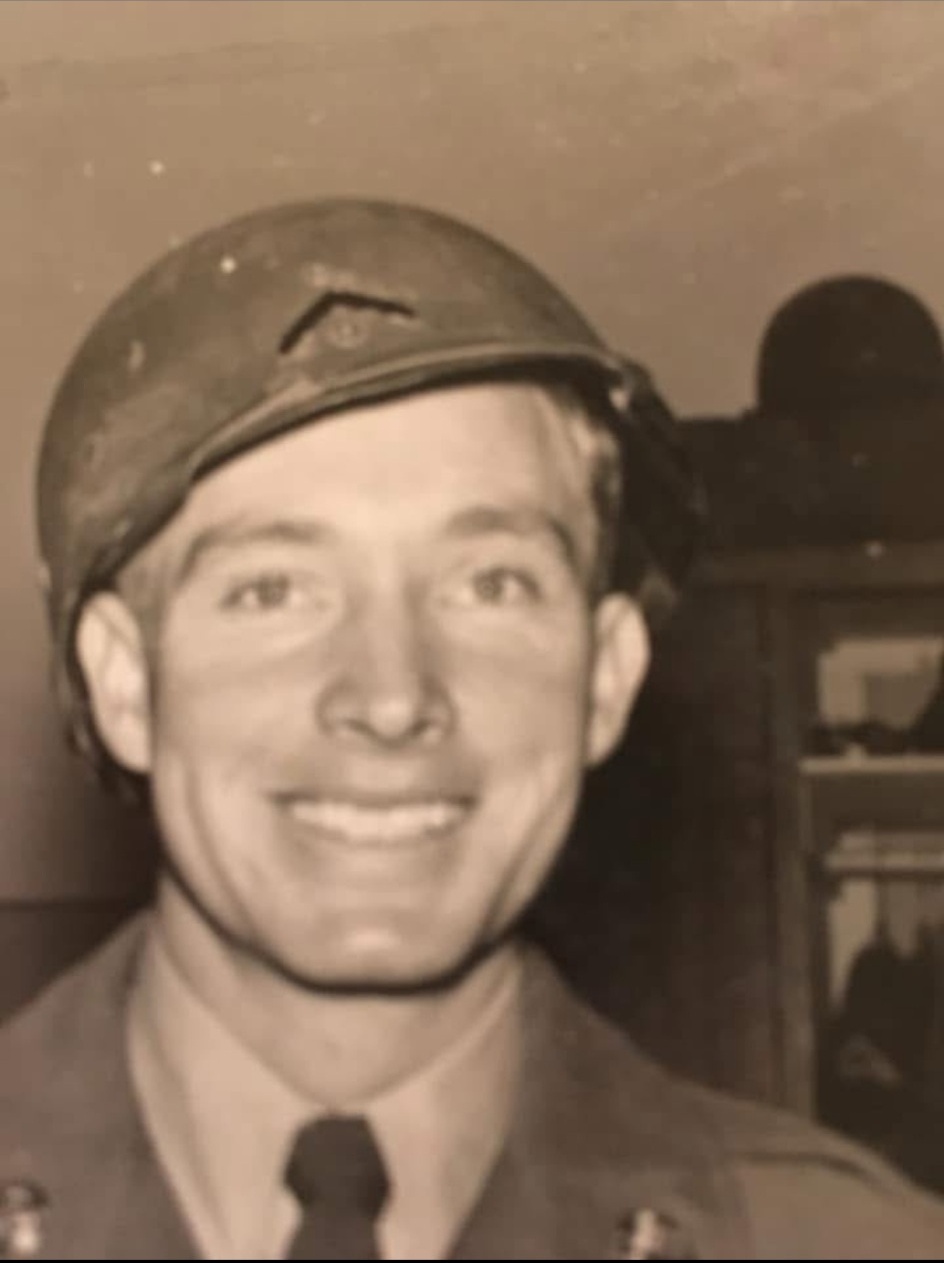
Russell East smiling in uniform and cap
Another look at Russell in uniform

These photographs help fill in the years before Russell became the pastor and evangelist his family remembered.

The call

When singing became preaching.

Russell entered the military during the Korean War. While walking guard duty in Indiantown Gap, Pennsylvania, he gave his heart to the Lord. He knew God had a plan for his life, although he initially thought that plan would have something to do with singing.

A few years later, while traveling in a car with Janey, Russell told her that he felt the call to preach. He had not answered that call yet.

Then, in 1958, Russell was struck with tuberculosis and admitted to the Boehne Camp Tuberculosis Hospital for treatment. One night he was taken to the emergency room, hemorrhaging badly from the disease.

Russell prayed, telling God he would answer God's call to preach if God would heal him. After his brother prayed with him, the bleeding stopped.

True to his word, Russell became an evangelist, traveling around locally preaching and singing. In the early 1960s, he released an LP of songs he loved to sing.

A turning point

1958

A life-threatening illness became a turning point in Russell's story and led him into the ministry he had been called to pursue.

This account follows the family story preserved in the Episode 2 material.

1965

The road to Christ Corner Church.

In 1965, another minister named Willard Clements came to Russell and asked him to join him in starting and pastoring a new church. Russell really didn't want to pastor, but he decided to work with Willard and become a co-pastor.

They found a building on the corner of Center and Alves Streets in Henderson, Kentucky—a former Jewish synagogue—and began having services. Their little congregation began to grow.

Eventually Willard decided he wanted to start a work of his own. Russell tried to persuade him to remain, even offering to step down as co-pastor and become the worship and song leader. Willard's mind was made up, however, and the two parted ways, with Russell remaining as pastor.

Sometime later, Russell held a contest to see if one of the church members could come up with a name. His sister, Pat, submitted the name Christ Corner Church. It became the final name of Russell's church, and he later added the tagline, “Where Christ is Moving Today!”

The building and the history of Christ Corner Church are preserved separately on The Church page.

The voice

The ministry continued through music.

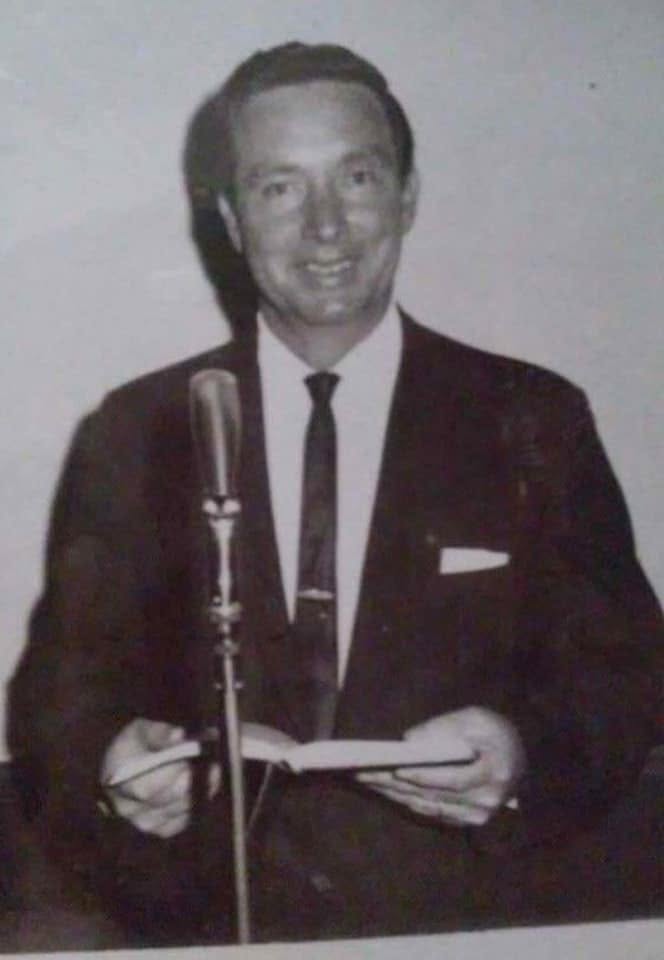
Russell remained a lover of music and singing, and his voice remained strong and clear. After he became the sole pastor of Christ Corner Church, he began a radio broadcast on WSON radio in Henderson, Kentucky, that aired immediately before Sunday school every Sunday.

Some broadcasts were taped first, while others were performed live. For listeners who tuned in on Sunday morning, the familiar theme song became another part of Russell's ministry.

And sometimes the music reached far beyond the people who had come to hear him. At an outdoor camp meeting under a tent, Russell sang “After All.” Houses surrounded the field. As he sang, people began coming out of those houses and walking down to the altar.

That is the kind of impact his singing could have. It wasn't simply a performance. For Russell, singing was part of the ministry. Singing or preaching, he gave 100% of himself... and more.

The man himself

There are facts that tell you a man's life. Then there are the stories that tell you who he was.

01 · The chocolate pie

Russell and the fight

As a little boy, Russell would sing with a quartet on a radio show. One day, his mother warned him to stay clean because he was in his dress clothes. Being Russell, he went outside to play and got into a fight with another boy.

When he came back in, he sat down on a piece of chocolate pie someone left in a chair. He sang for the broadcast with a dirty, muddy face and a messed up shirt... and with chocolate pie on his backside. His mother was livid.

That was typical Russell.
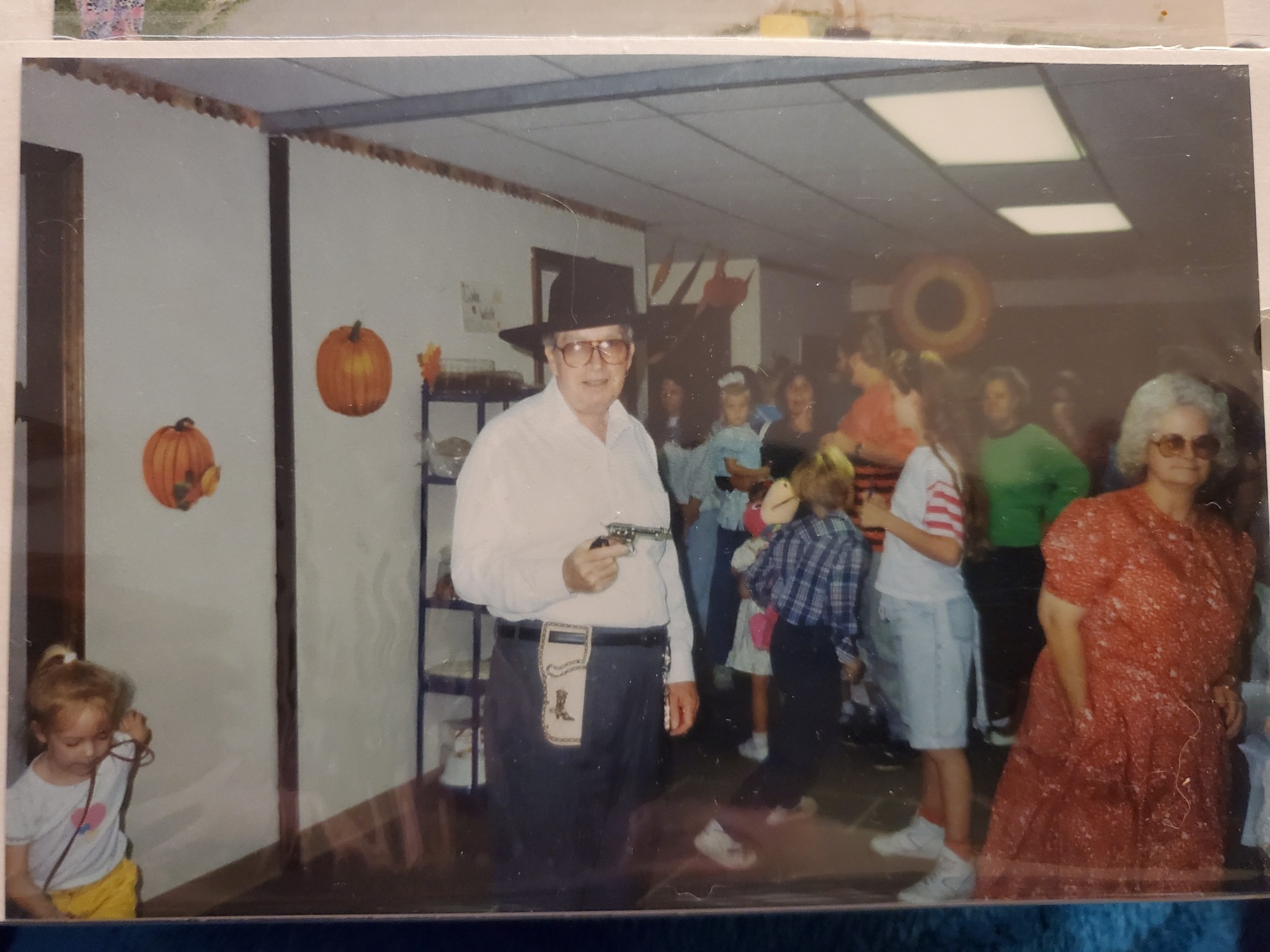
02 · The sideburn

Russell and the glue

Janey usually cut Russell's hair, but one time she couldn't do it when he wanted. So Russell went into the bathroom and decided to cut it himself. Unfortunately, he cut one sideburn much too short—just above his ear.

Worried that Janey would be upset, he glued it back on. Everything seemed fine until the service that night. Russell began to sweat while preaching, the glue began to fail, and slowly the sideburn slid down his face, revealing his handiwork to everyone in the church.

03 · The shoes

Russell and the bargain

Another time, Russell bought a pair of shoes at a thrift store and wore them to church. While preaching, he was doing one of the things he liked to do—kicking his foot up.

On the bottom of the shoe was a price sticker that read 25 cents. Janey was mortified. Russell, apparently, was Russell.

The recordings

Bringing a voice back.

Some of the recordings that started this journey are decades old. One of them dates back to 1963.

Using modern recording technology, I was able to separate Uncle Russell's original voice from those old recordings and bring that voice into new musical arrangements.

The goal wasn't to replace what was there. It was to preserve it—to give a voice from another time a place in a new recording.

That meant recording new music, working with old recordings, making choices about what to keep and what to rebuild, and learning along the way just how much of a person can still live inside a recording.

From the archive

1963

One of the original recordings preserved for this project carries Russell's voice from more than six decades ago.

As the archive grows, recordings, photographs, documents, and stories will be added here so the history remains accessible in one place.

More than twenty years later

For a moment, the years disappeared.

When I first heard Uncle Russell's voice coming through the studio speakers again, it was more than a technical accomplishment. It was personal.

There is something difficult to explain about hearing the voice of someone who has been gone for years suddenly become present again. The recording doesn't bring back the years that have passed. But it can preserve something precious: the sound of the person himself.

That moment became one of the reasons this project had to be more than an album.

“I wasn't trying to replace Russell. I was trying to bring him back.”
The next chapter

Russell's story in his own time

The video series will become part of this archive as well. Episodes can tell the story visually while this site preserves the larger collection of material around them.

Add a Memory →
A story worth keeping

The archive is just beginning.

As more photographs, recordings, stories, and family memories are gathered, they can become part of this permanent record of Russell's life.

Share a Memory
The songs. The church. The stories. The people.

The songs he loved… he'll sing again.